
Free in-home measure and quote - PGT, CGI and CWS impact lines compared on your actual openings, style by style
Sliding glass doors
Impact garage doorsPGTCGI
 Before
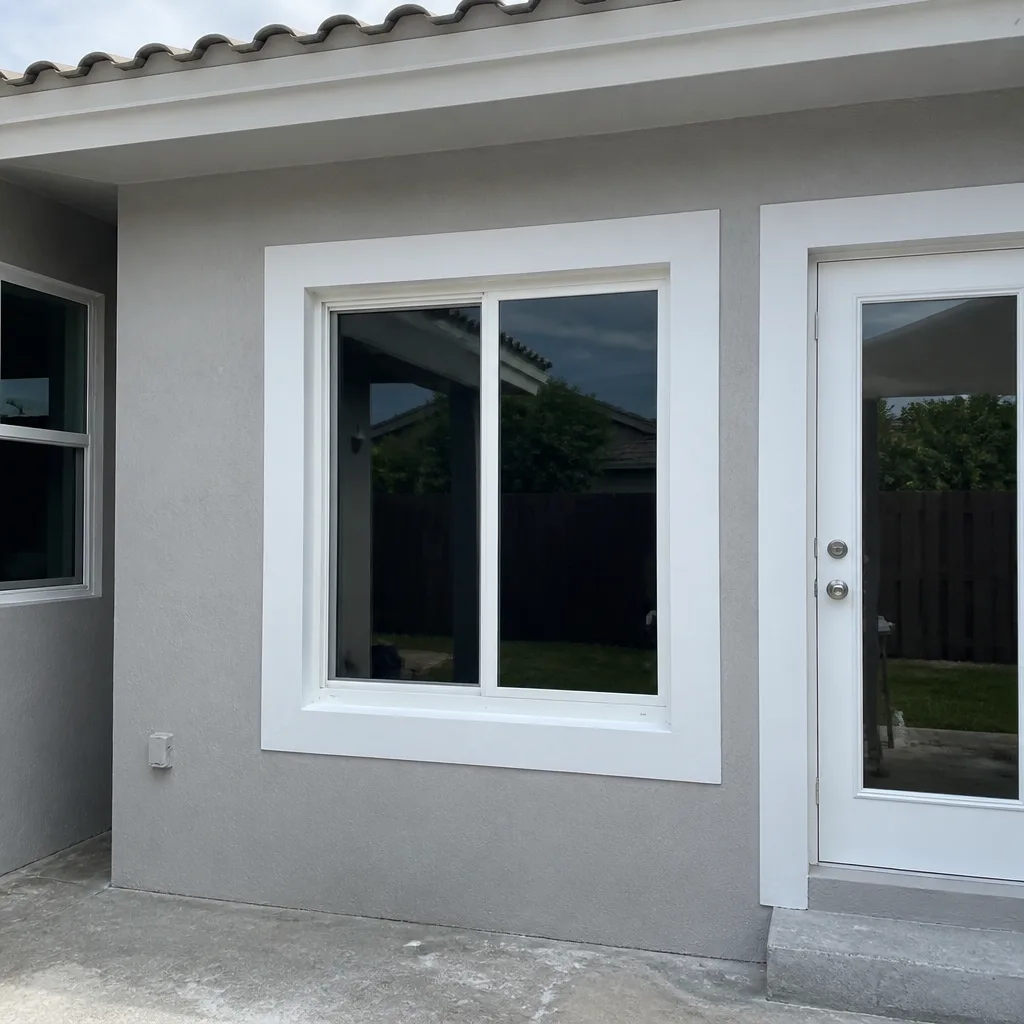 After
After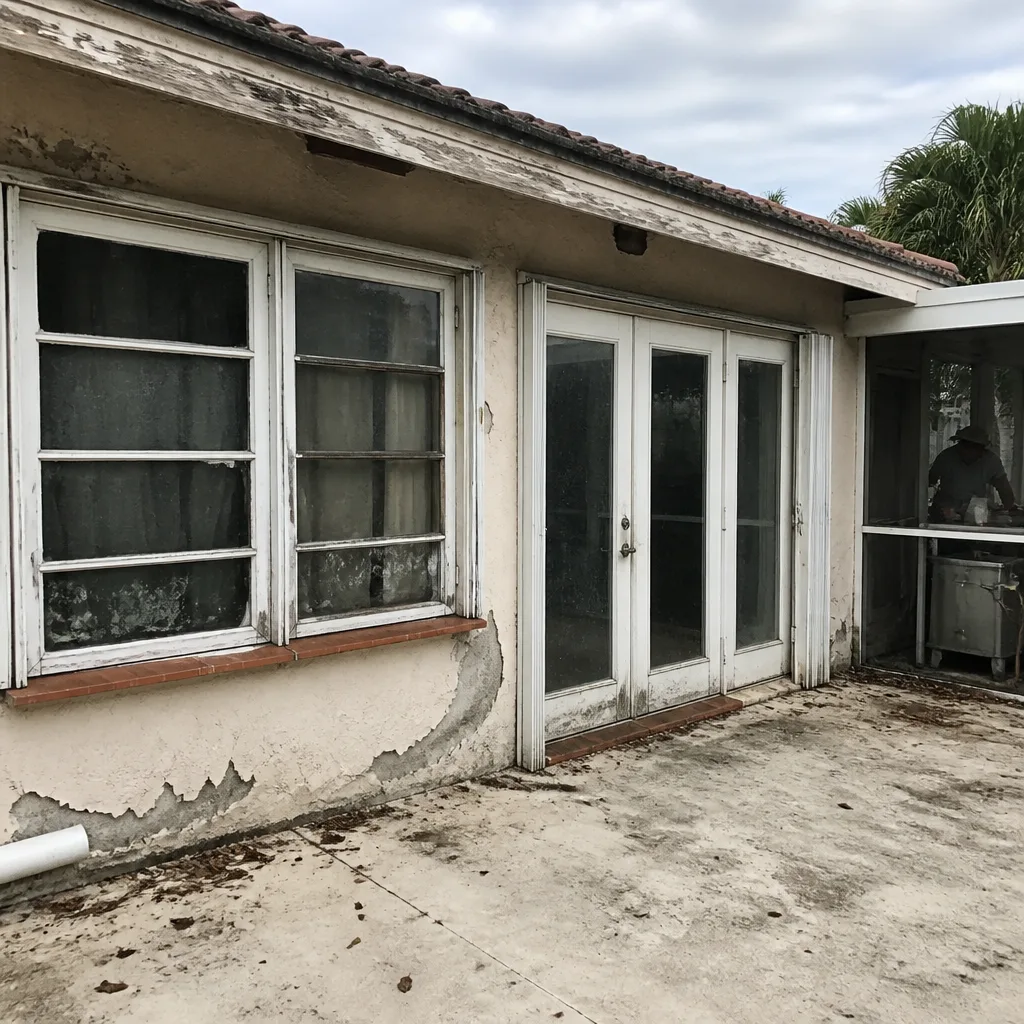 Before
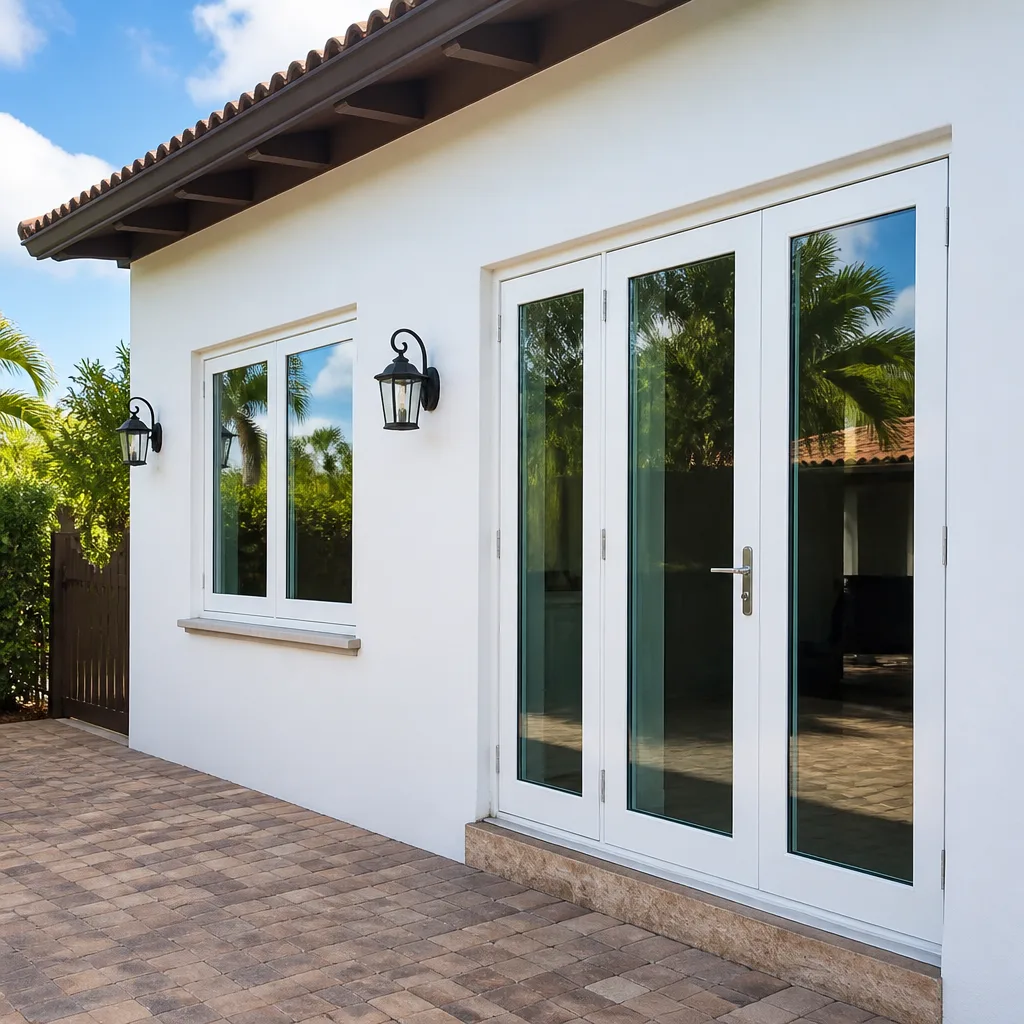 After
After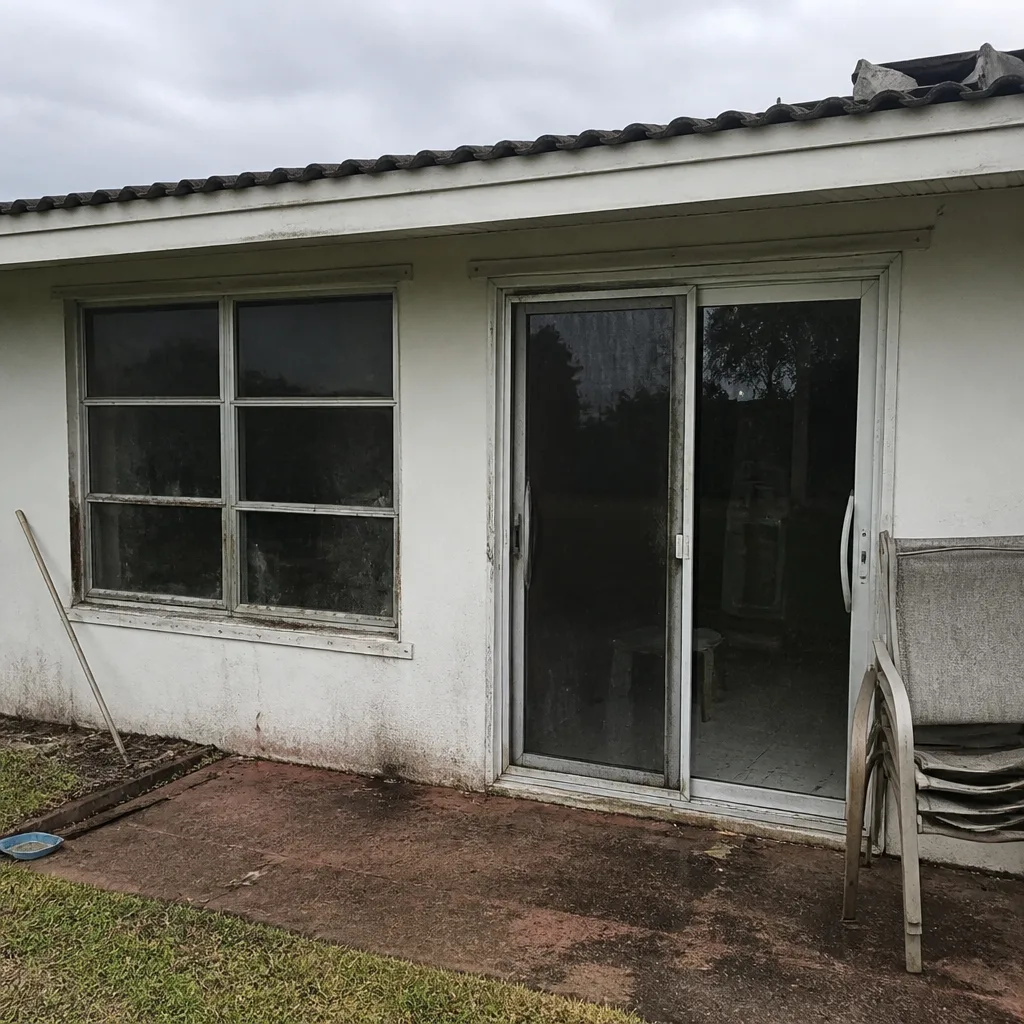 Before
 After
AfterCWS Sliding & Patio Doors: The Homestead Owner’s Guide
We stock and install CWS-compatible sliding and patio door parts across Homestead, with most roller, handle, and lock replacements running $145 to $385 installed and finished the same day we arrive. The typical call starts the same way: the door was fine for years, then one morning it takes both hands and a shoulder to move it. What most Homestead homeowners don’t realize is that CWS doors use a specific roller profile that’s not interchangeable with the generic hardware at the big-box stores, and forcing the door on a dead roller only chews up the bottom track.
If your CWS door is dragging, sticking, or leaving the frame out of square, the fix is usually simpler and cheaper than replacing the whole panel. We keep CWS-specific rollers, tandem units, handles, locks, and weatherseal on the truck, so we can usually diagnose the exact part, show you the old one in hand, and have the door gliding again before we leave the driveway.
Which CWS Models This Applies To
CWS manufactured several sliding door lines that ended up in Homestead homes built from the 1980s through the mid-2000s, and the part you need depends on which one is in your wall. The biggest compatibility gotcha is the roller assembly: CWS used stainless steel tandems on their impact-rated and coastal lines, but a zinc-bodied roller on their standard residential series. They look almost identical, but the stainless tandem holds up to our humidity and salt air, while the zinc roller seizes faster and wears the track unevenly. If you put a standard aftermarket roller into a CWS track that was milled for the low-profile tandem, the door will sit too high or too low and never latch cleanly.
Identifying your part starts with the label etched into the glass corner or a sticker on the top rail of the sliding panel. If the label is gone, we match by measuring the roller housing width and the track profile. For handles and locksets, CWS used a non-standard screw spacing on several lines, so the big-box “universal” kits leave exposed screw holes. We stock OEM-spec replacements and quality aftermarket equivalents for CWS, as well as parts for Andersen, and Pella doors, and we’ll tell you plainly when an aftermarket part will outlast the original and when your money is better spent on OEM.
Signs Your CWS Sliding & Patio Doors Is Failing
- Door drags or takes real effort to open. One or both rollers are flat-spotted or seized. In Homestead, the sand that blows in off the coast works its way into the bearing, and once the roller stops spinning, it grinds the track instead of rolling on it.
- Door rides up on one side or rubs the top frame. The roller adjustment screw has backed out, or one roller has collapsed. When the door leans, the other roller carries the full panel weight and fails within months.
- Handle moves but the latch doesn’t engage. CWS used a mortise-style latch assembly on many lines. The internal return spring corrodes in our humidity, and the latch stays open, which means the door never actually locks even though you hear a click.
- Door jumps or chatters as it slides. The track is worn or the wheels are so far gone that the panel is riding on its bottom rail. This is the point where continued use starts bending the frame, and you’ll hear the difference immediately.
- Water stains or daylight at the weatherseal. The wool pile or vinyl fin seal has rotted or compressed. A dry South Florida day hides it. The first hard rain shows it, and by then water has already gotten under the interior flooring edge.
Replacement Cost & What’s Included
For CWS sliding and patio doors in Homestead, the honest installed range is $145 to $385 for roller sets, handles, and locks, with full track and seal kits running up to $550 on older doors where the track has been chewed past the point of saving. Four things move the number: whether the door uses the stainless tandem roller or the zinc standard, whether the track needs to be cleaned and reconditioned or the rail itself is too far gone, how much the humidity has corroded the lock internals, and whether the door is single-panel or a pocket slider.
Every quote you get from us is a written line item: part price, labor, and no surprise line items when the bill comes. We register the manufacturer warranty on parts that carry one, and the work itself is covered by our Done Right Promise. If the door isn’t sliding the way it should three weeks from now, you call and we come back. No paperwork fight, no arguing. That’s the standard.
DIY or Call Us?
You can safely check the track yourself: vacuum out the bottom channel, wipe the rail with a clean rag, and look for flat spots on the visible portion of the wheels. What most homeowners shouldn’t attempt is pulling the panel. A CWS sliding door panel weighs between 150 and 220 pounds depending on the glass package, and lifting it out without releasing the anti-lift blocks or supporting the frame can drop it fast enough to take a finger with it or crack the corner of the glass. If you’re not sure which block style your door has, leave the panel in the frame.
The same goes for handle and lock replacement on CWS doors: the screw spacing isn’t standard, and drilling the stile for a generic kit turns a $195 fix into a rail replacement. If the door is dragging, sticking, or not latching, call us at (448) 428-7290. We’ll send a uniformed technician who measures twice, shows you the failed part, and finishes the job in one visit.
FAQs
CWS rollers generally last 8 to 14 years in South Florida before the humidity and salt air break down the grease and the bearings begin to fail. Stainless tandem rollers outlast zinc rollers by several years. If your door is original to an early-2000s Homestead build and has never had the rollers replaced, it’s overdue. Call (448) 428-7290 and we’ll inspect the door while you watch.
Yes, and more often than not, that’s exactly what we do. A CWS door with a failed roller, worn weatherseal, or a corroded latch is a repair job, not a door replacement. The only time we’ll recommend a new panel is when the aluminum frame has been so bent from years of forced operation that it won’t sit square in the track no matter what we do to it.
Most roller, handle, and lock replacements take 45 to 90 minutes on site once we’re at the door. A full roller and track reconditioning on a pocket slider can stretch to two hours. We stock the common CWS profiles on the truck, so unless your door needs a peculiar handle finish, we finish in one visit.
We stock CWS-profile roller assemblies, handles, and locks, and we carry only aftermarket parts that we’ve verified match the original screw spacing and track geometry. Anything that requires modifying the door to fit is not a part we’ll sell you. If the OEM part is available and worth the difference, we’ll tell you that on the estimate and show you both options side by side on paper.
Written by Dale Kessler, Owner, TruePane Windows & Doors at TruePane Windows & Doors, serving Homestead and nearby areas. Dale grew up in Naranja, just a few miles north of downtown Homestead, and has been putting impact-rated doors into South Florida homes for more than a decade. If it’s not in writing, it’s not a promise - it’s a sales pitch.
Six Reasons Homeowners Choose TruePane Windows & Doors
Impact systems engineered to design pressures up to +/-100, matched to your wind zone - your openings hold when the storm arrives.
Low-E insulated impact glass from our manufacturer lines commonly cuts monthly cooling bills 20-30%.
Laminated impact glass shuts out up to 40% of outside noise - traffic, neighbors, weather.
Monitoring services run $30-90 a month. Laminated impact glass resists forced entry around the clock, with no subscription.
Florida homeowners average around 25% savings on the windstorm portion of their policy after protecting every opening - some homes qualify for more.
A full impact package upgrades curb appeal, buyer confidence and appraised value in one project.