Free in-home measure and quote - PGT, CGI and CWS impact lines compared on your actual openings, style by style
Sliding glass doors
Impact garage doorsPGTCGI
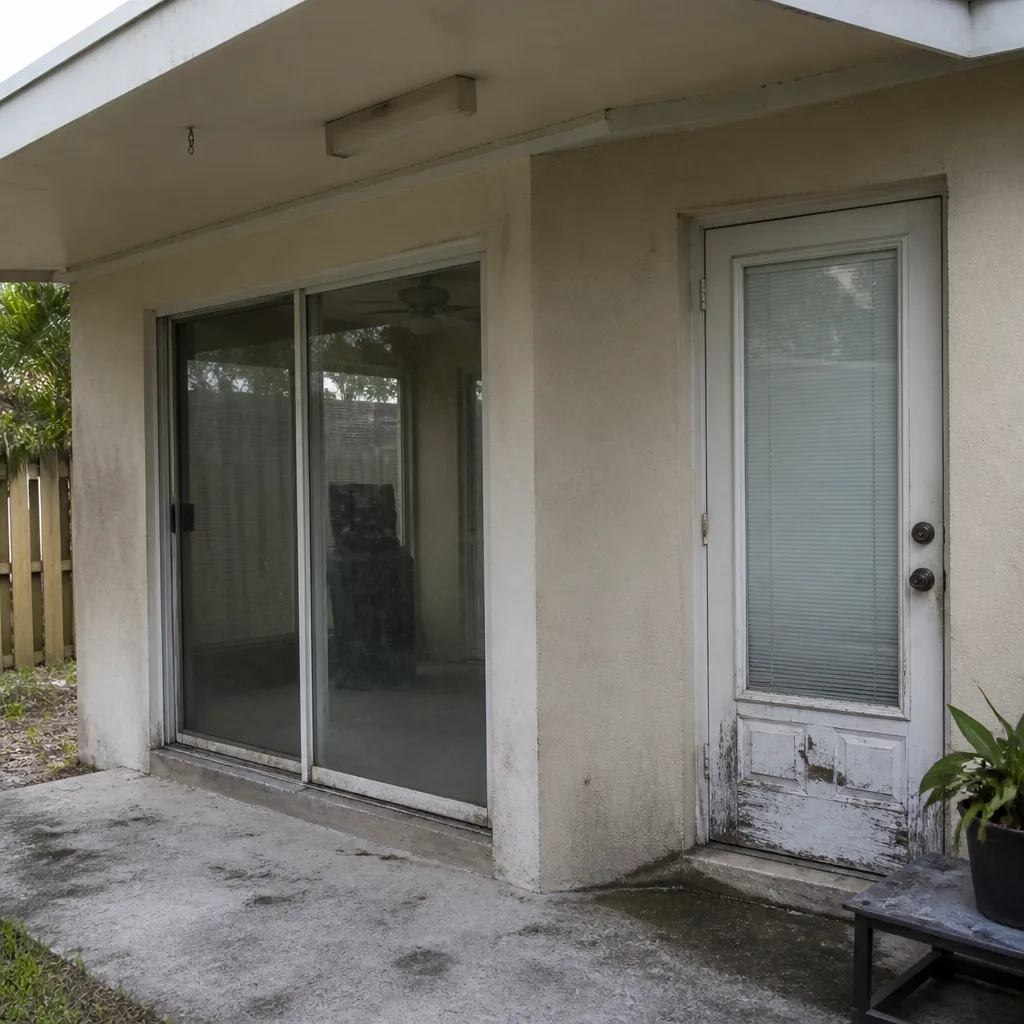 Before
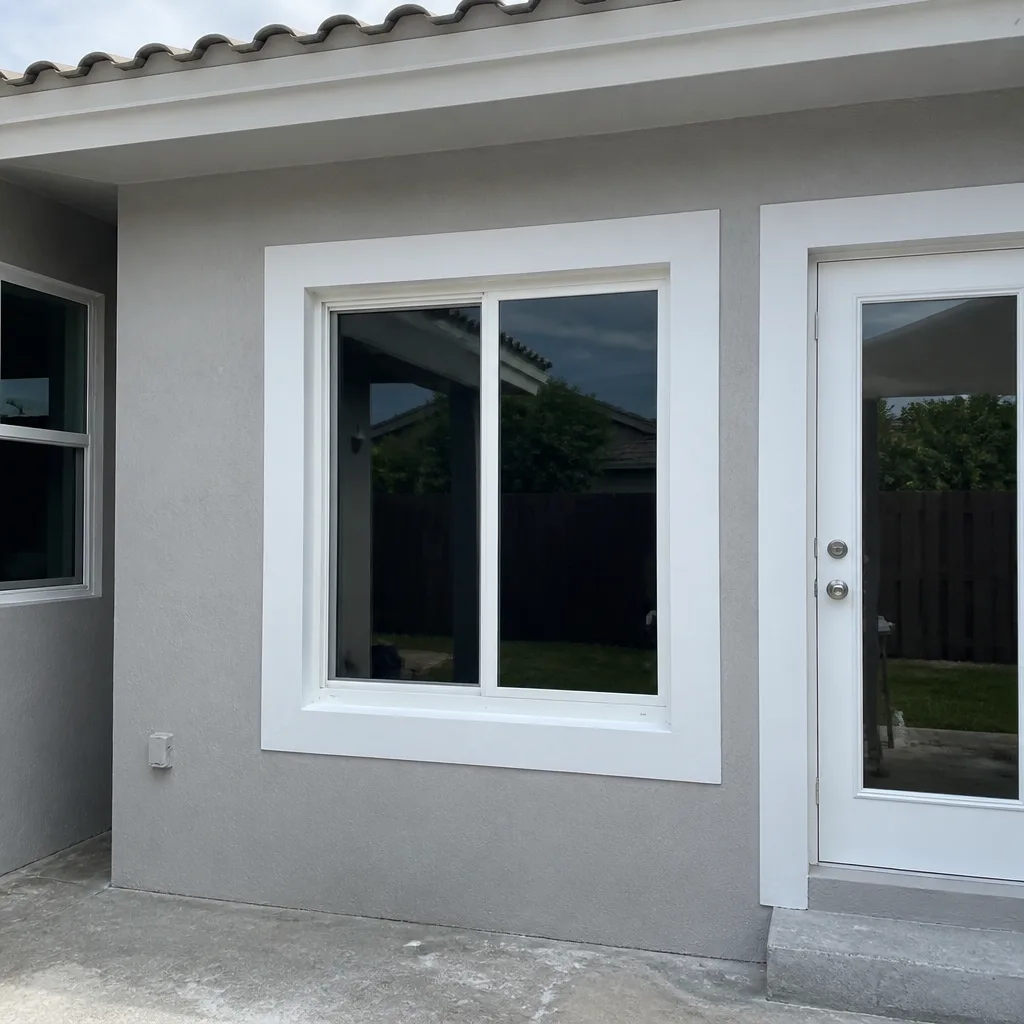 After
After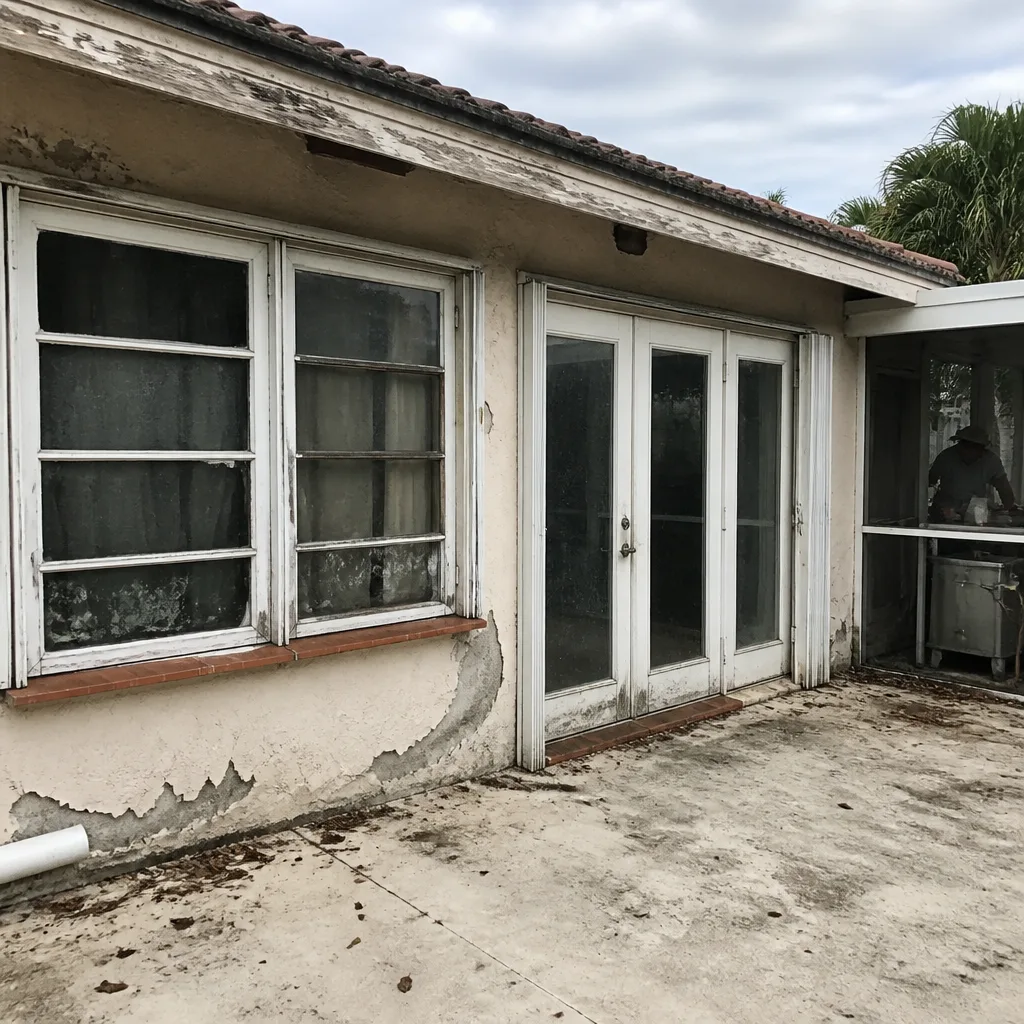 Before
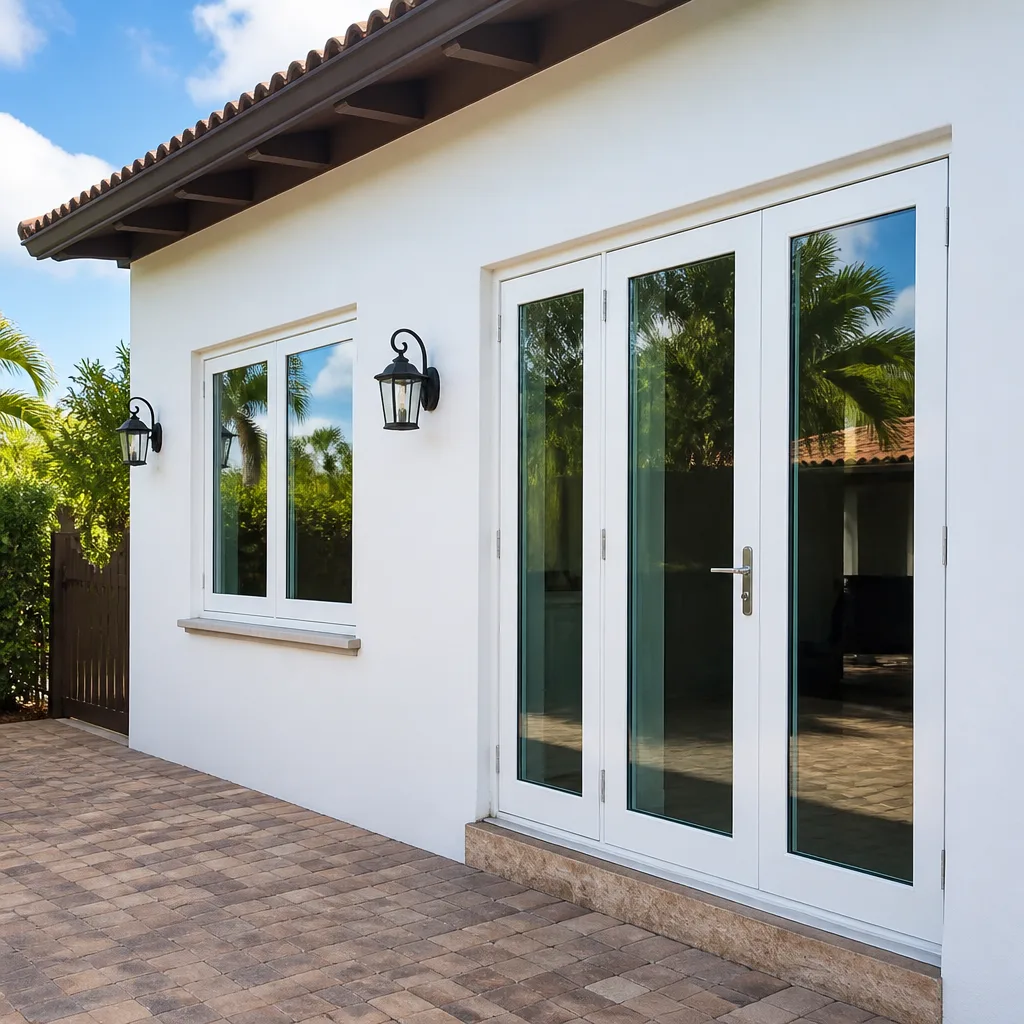 After
After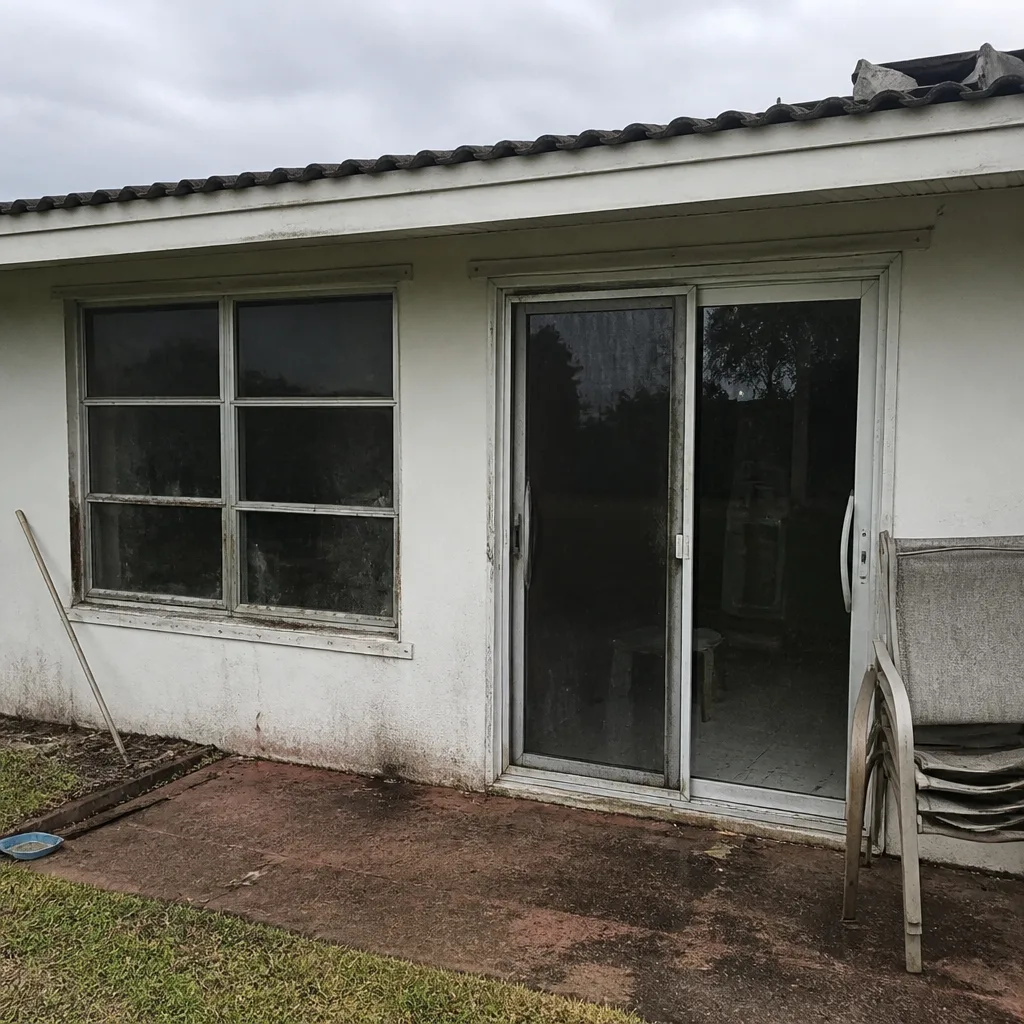 Before
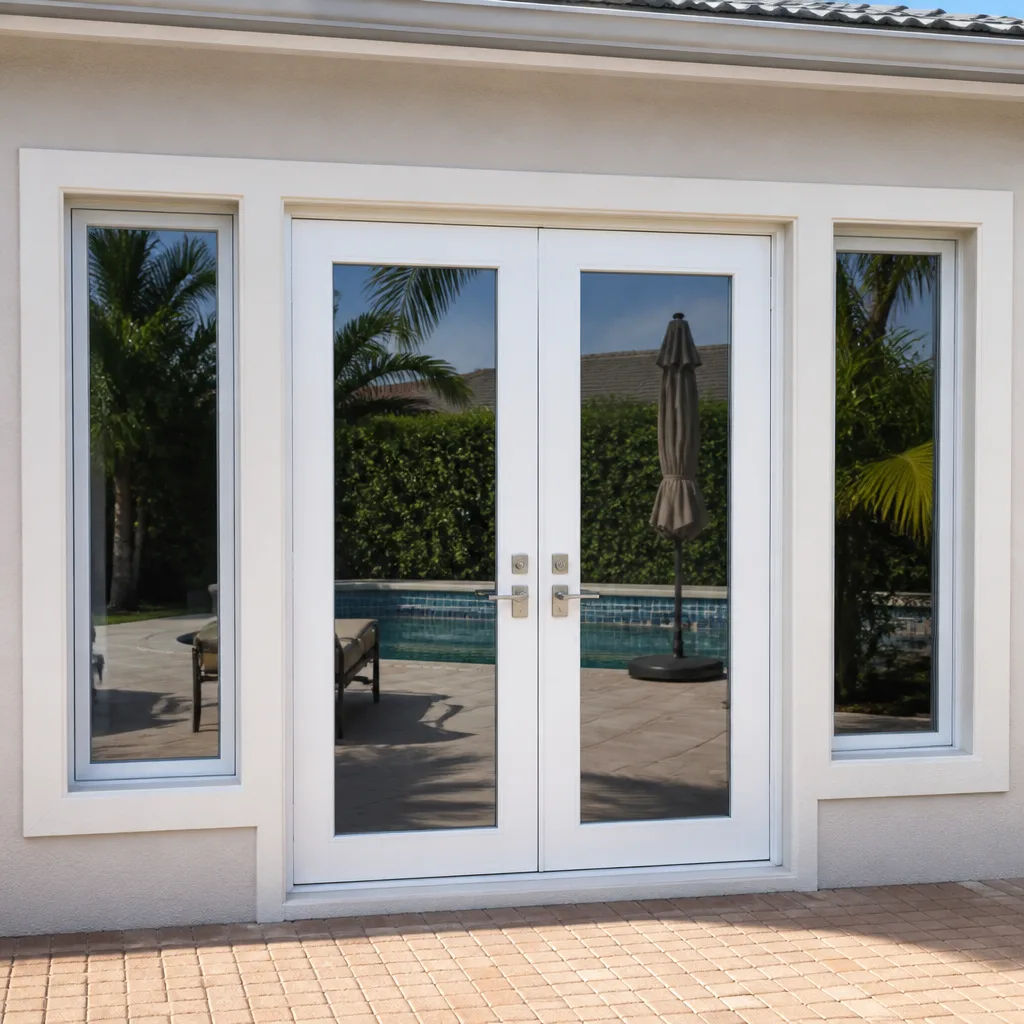 After
AfterHopper Windows in Homestead, FL | TruePane Windows & Doors
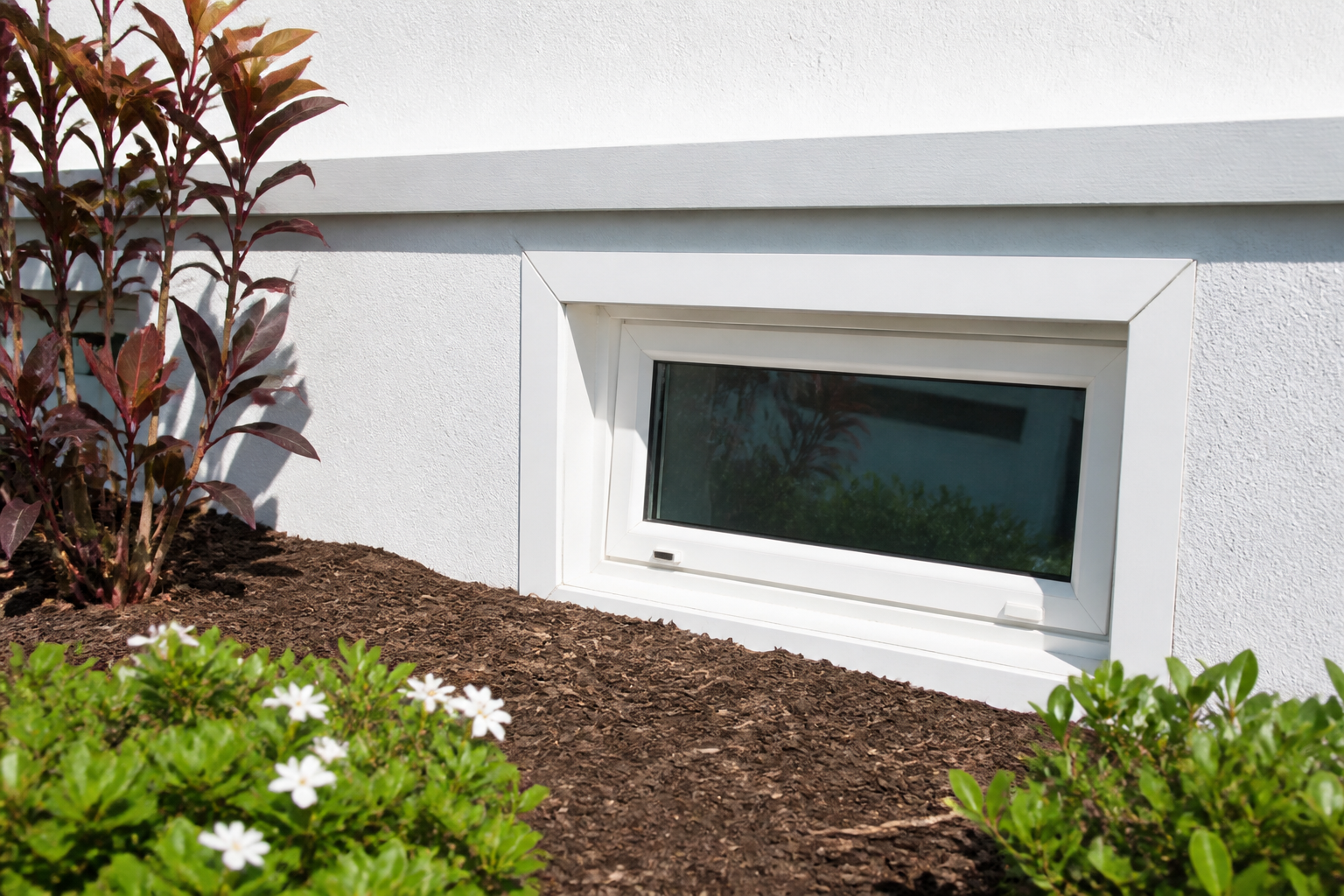
Hopper windows are the compact workhorse of Florida impact glazing. Hinged at the bottom and tilting inward, they deliver hurricane-rated protection in a profile small enough for a bathroom, laundry room, or utility wall, without the swing clearance a casement demands. TruePane Windows & Doors installs impact hopper windows across Homestead and the surrounding South Dade area, supplying them in vinyl, aluminum, or composite frames from PGT, CGI, CWS, ES Windows, ECO, and Mr-Glass. We pull the permit paperwork, set units level and square per AAMA 2400/2410, and leave you with a window that actually passes its water test. Call (448) 428-7290 to talk through a project.
Product Overview - Hopper Windows
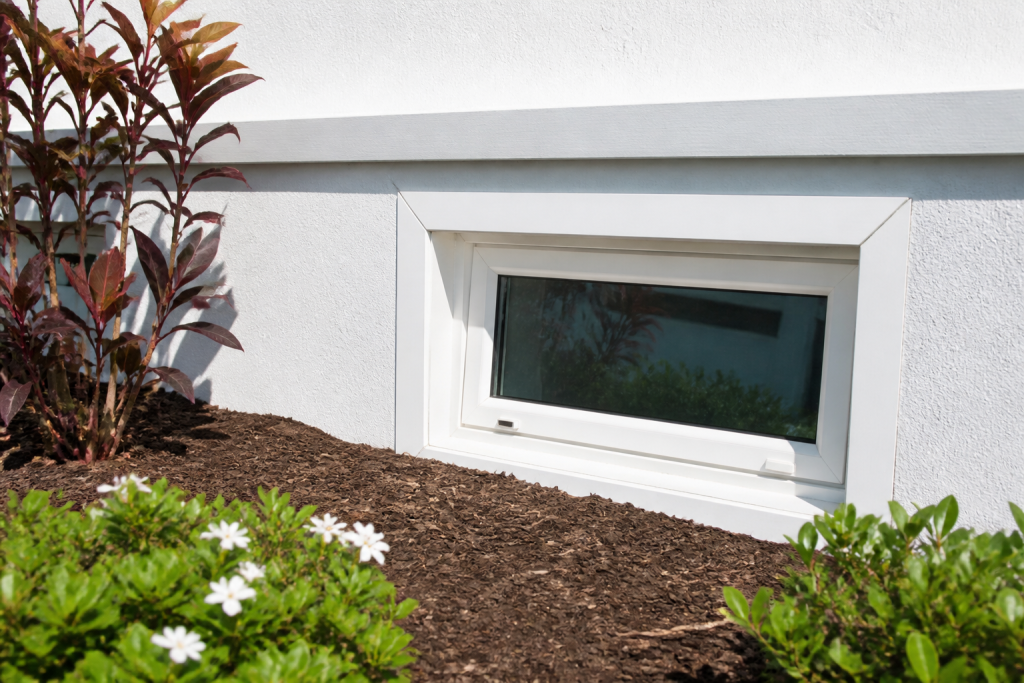
A hopper window is bottom-hinged and opens inward from the top, which sounds simple until you live through a South Florida summer and realize how well that geometry works. It vents high, keeps rain from driving in when the window is cracked during an afternoon storm, and sits flush against the interior when closed. In Homestead, where wall space on the leeward side of a home still gets hammered by wind-driven debris, hoppers earn their place in utility rooms, above-grade basement walls, and bathroom openings too small for anything else.
The compact profile is the point. These are not picture windows and they are not meant to be. They’re deliberate, functional openings that give you light and air where a fixed window would leave a room stuffy. Because the sash tilts inward, they’re also one of the easiest impact windows to clean from inside the house, which matters when the window is over a sink or a washer.
TruePane Windows & Doors frames hoppers in vinyl, aluminum, or composite, depending on what the opening and the home demand. Vinyl carries the value story, aluminum handles the heavier coastal exposure and tighter sightlines, and composite splits the difference when the architect wants paintability without thermal movement. Each frame style gets the same laminated impact glass and the same care in install, because the frame is only as useful as the opening it’s set into.
The real engineering is in the lamination. Impact-rated hopper windows use a PVB interlayer that bonds the glass layers together. When debris hits, the glass may crack, but the interlayer holds the pane in the frame and keeps the pressure seal intact. That’s the difference between a window and a hole in your wall at 2 a.m. during a hurricane. For Homestead homeowners, it’s also the difference between a permit that clears and one that gets bounced back.
Technical Specifications
Here are the raw specs, in plain language, so you know exactly what you’re pricing.
- Frame materials: Vinyl, aluminum, or composite. Chosen by opening size, exposure, and whether the architect wants a matched finish across the home.
- Glass options: Laminated impact glass with PVB interlayer as the standard. Optional Low-E insulated glass, tinted glass, or clear glass depending on orientation and code requirements for the Homestead climate zone.
- Finish options: White, almond, bronze, black, or tan. Interior and exterior finishes are matched, so the window reads the same from the street and from the bedroom.
- Design pressure: Matched to the wind zone of the specific Homestead structure, up to +/-100. We never oversell a DP rating the opening doesn’t need, and we never undersize it either.
- Compliance documentation: Miami-Dade NOA and Florida Product Approval numbers are issued per configuration. Your exact combination of frame, glass, and size determines which approval number applies. That number goes on your quote and on the permit submittal package.
- Typical applications: Bathrooms, utility rooms, above-grade basement walls, and any limited-width opening where ventilation is required but swing clearance is not available.
Hurricane & Compliance Performance
Impact hopper windows in Homestead are not sold on a handshake. They’re sold on paperwork, testing, and a chain of approvals that starts with the manufacturer and ends with the inspector’s sign-off. Here’s what each piece of that chain means.
Laminated Impact Glass
The glass is the barrier. Laminated impact glass uses a PVB interlayer sandwiched between two panes, bonded under heat and pressure. Under impact, the glass may fracture, but the interlayer stretches and holds the pane in the frame. The opening stays sealed, the wind stays outside, and the home keeps its envelope. This is the core of every HVHZ-rated hopper window we install in Homestead.
Miami-Dade NOA / Florida Product Approval
Each hopper window configuration carries manufacturing approvals specific to that exact combination of frame, glass, and size. The Miami-Dade NOA and Florida Product Approval numbers are issued per configuration, so the number on your quote reflects your actual window, not a similar one. We verify the number before we order, and it rides along with the permit submittal package. If a configuration doesn’t have an approval, we don’t sell it. Simple.
FBC / HVHZ Compliance
Homestead sits in the High-Velocity Hurricane Zone, the strictest wind region in the Florida Building Code. Our hopper windows are engineered to FBC HVHZ requirements, not the looser standards written for inland counties. That affects glass makeup, frame joinery, anchoring, and how the assembly is tested as a complete system, not a pile of parts.
TAS 201 / TAS 202 / TAS 203 Testing Context
HVHZ-rated impact products earn their approvals under the TAS protocol family. TAS 201 covers large-missile impact, which is the test where a length of lumber is fired at the glass to simulate hurricane debris. TAS 202 applies cyclic wind-pressure loading, which pushes and pulls the window thousands of times after impact to prove the seal holds. TAS 203 tests forced-entry resistance. Any hopper window headed for a Homestead permit has to survive all three, as a complete unit, in the configuration you’re buying.
Design Pressure for Your Wind Zone
Design pressure is the amount of wind force the window assembly is rated to withstand before failure. We match the DP to the actual wind zone of the specific Homestead property, not the highest number the marketing department likes. Ratings go up to +/-100, but most homes simply don’t need that. Undersizing is dangerous. Oversizing is wasted money. We size to the structure, and the engineered calculations are part of the quote.
Energy Performance
Clear laminated impact glass is the baseline. For west-facing bathrooms or utility rooms that catch the Homestead afternoon sun, Low-E insulated glass cuts heat gain and keeps the interior glass surface from turning into a radiator. Tinted options do the same work with a different look. The performance layer is optional, but when the opening faces the sun, it pays for itself in comfort long before it pays for itself in energy. No percentages, just physics.
Color & Glass Options
The finish palette starts with the five colors that do the heavy lifting across Homestead’s housing stock. White and almond suit the Mediterranean and Spanish-influenced homes that dominate Redland and the older neighborhoods west of Krome Avenue, where the trim already leans warm. Bronze and black work on modern builds and renovated mid-century homes closer to the Turnpike, where sharp contrast against stucco reads as intentional. Tan bridges the two worlds, sitting quietly on coastal cottages and ranch homes where the goal is to disappear into the wall.
Frame material dictates how much color flexibility you get. Aluminum holds a factory finish that stands up to Homestead’s salt air and relentless sun without fading. Vinyl delivers the color through the extrusion itself, so scratches don’t show a different color underneath. Composite frames are paintable if you’re trying to match an unusual trim color, which makes them the architect’s choice on custom homes.
On the glass side, start with what the room needs. Clear laminated impact is the standard and works anywhere. Low-E insulated makes sense when the room faces south or west and the window is in a bathroom or utility space that doesn’t get much cross-ventilation. Tinted glass cuts glare in rooms where a mirror or a screen faces the window. The point is choice, and the spec sheet should reflect the room, not the default.
Installation by TruePane Windows & Doors in Homestead
A NOA-rated hopper window installed badly is not a rated window. The approval covers the manufactured assembly. The installation is on us, and it’s where most window failures actually begin in Homestead. We treat the opening like the structural connection it is, because once the window goes in, the only thing between your drywall and a hurricane is the seal around the frame.
Every install starts with a pre-install inspection. We measure the rough opening, check the condition of the bucks and the surrounding framing, and confirm the existing flashing and weather barrier are still doing their job. If the opening is rotted or out of square past tolerance, we stop and tell you before any window gets ordered or any money gets wasted.
The window goes in level, plumb, and square. That’s the non-negotiable part. A hopper window that’s racked even slightly will bind at the hinges, fail to seal evenly, and put stress on the laminated glass. We set the frame with proper shimming, anchor it to the structural framing, and run a perimeter seal with AAMA 812 low-expansion foam. The foam expands gently, fills the void, and doesn’t push the frame out of square while it cures.
Our install practice follows AAMA 2400/2410 standards for the installation of windows and doors in exterior walls. That covers flashing sequence, sealant continuity, anchoring, and the integration of the window into the building envelope. Then we run the water test. Every hopper window gets checked for leaks before we call the job done, because finding a leak after the tile is set is a conversation nobody wants.
In Homestead, permitting is part of the job. HVHZ jurisdictions want the NOA number on the submittal, the product approval number to match the actual configuration, and the installation to match the approved details. We handle the paperwork, schedule the rough-in inspection, and make sure the final passes. Improper installation compromises the entire system, which is exactly why we do it in-house and never sub it out.
Frequently Asked Questions - Hopper Windows
What wind zone and design pressure is the hopper window rated for?
The hopper windows we install in Homestead are rated to design pressures matched to the wind zone of the specific structure, up to +/-100. We never quote a DP higher than the engineering calls for, and we never install a window rated below what the opening requires. The exact DP for your project comes from the structural calcs and shows on the permit package.
What is the lead time on hopper windows?
Lead time depends on the manufacturer, the frame material, and the glass package. Vinyl hoppers from the in-stock program typically run shorter than custom aluminum or composite units with Low-E insulated glass. We confirm current lead times at the quote stage so you can plan the rough-in and the inspection around a real date, not a guess. Call (448) 428-7290 and we’ll check current availability for your configuration.
Does the hopper window require a Miami-Dade NOA or Florida Product Approval submittal for my permit?
Yes. In Homestead, the permit package must include the Miami-Dade NOA or Florida Product Approval number for the exact configuration you’re installing. The number is specific to the combination of frame, glass, and size. We verify the approval before ordering and include it in the submittal, so the permit process doesn’t stall at the counter.
Can I customize the size or configuration of the hopper window?
Within manufacturer limits, yes. The approval number is issued per configuration, so the size, frame material, and glass package all feed into which approval applies. That means custom sizing is possible, but it has to stay within the tested envelope for that product line. We’ll tell you what’s available from each manufacturer and what the approval looks like before you commit. Call (448) 428-7290 with your rough opening dimensions.
How do I maintain the hopper window frame and hinges?
A hopper window needs the same maintenance as any other impact window, with a little extra attention to the bottom hinges. Wipe the frame and sash with mild soap and water, keep the hinge points free of grit and sand, and check the sweep and the weather stripping once a year, ideally before hurricane season starts in June. If the sash isn’t closing square or the hinges feel stiff, stop using the window and get it looked at. The laminated glass itself requires no special treatment. If you’re in Homestead and something feels off, call us and we’ll take a look.
Get a Quote - Hopper Windows in Homestead
If you’re pricing hopper windows for a Homestead home, let’s get the numbers on paper. We’ll walk the openings, confirm the wind zone and DP requirements, verify the NOA numbers for your configuration, and put every line item in a written quote. Free on-site measurement, real lead times, honest numbers. Call (448) 428-7290 to start.
Written by the team at TruePane Windows & Doors, serving Homestead, Florida with hurricane-impact windows and doors installed to HVHZ standards.
Six Reasons Homeowners Choose TruePane Windows & Doors
Impact systems engineered to design pressures up to +/-100, matched to your wind zone - your openings hold when the storm arrives.
Low-E insulated impact glass from our manufacturer lines commonly cuts monthly cooling bills 20-30%.
Laminated impact glass shuts out up to 40% of outside noise - traffic, neighbors, weather.
Monitoring services run $30-90 a month. Laminated impact glass resists forced entry around the clock, with no subscription.
Florida homeowners average around 25% savings on the windstorm portion of their policy after protecting every opening - some homes qualify for more.
A full impact package upgrades curb appeal, buyer confidence and appraised value in one project.
Other TruePane Windows & Doors Services
What Neighbors Say About TruePane Windows & Doors
Detailed Images