
Free in-home measure and quote - PGT, CGI and CWS impact lines compared on your actual openings, style by style
Sliding glass doors
Impact garage doorsPGTCGI
 Before
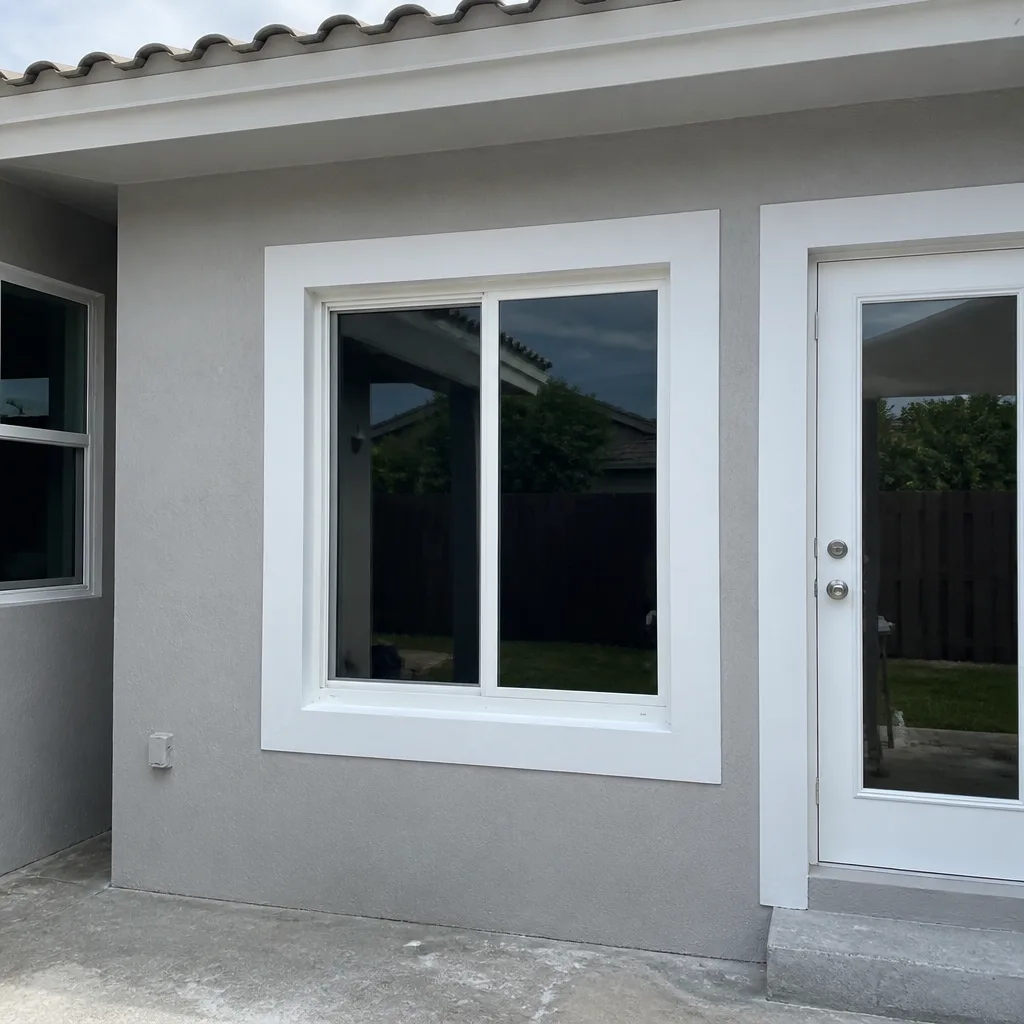 After
After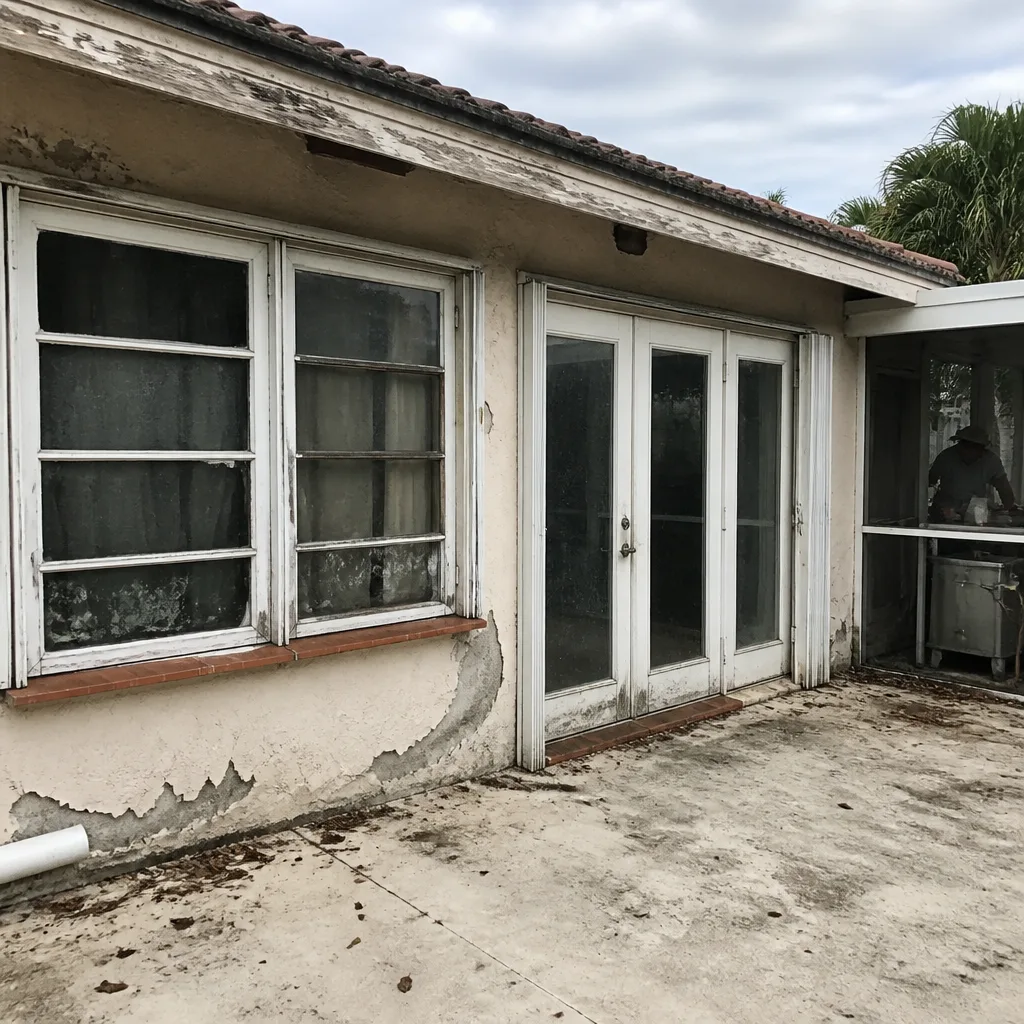 Before
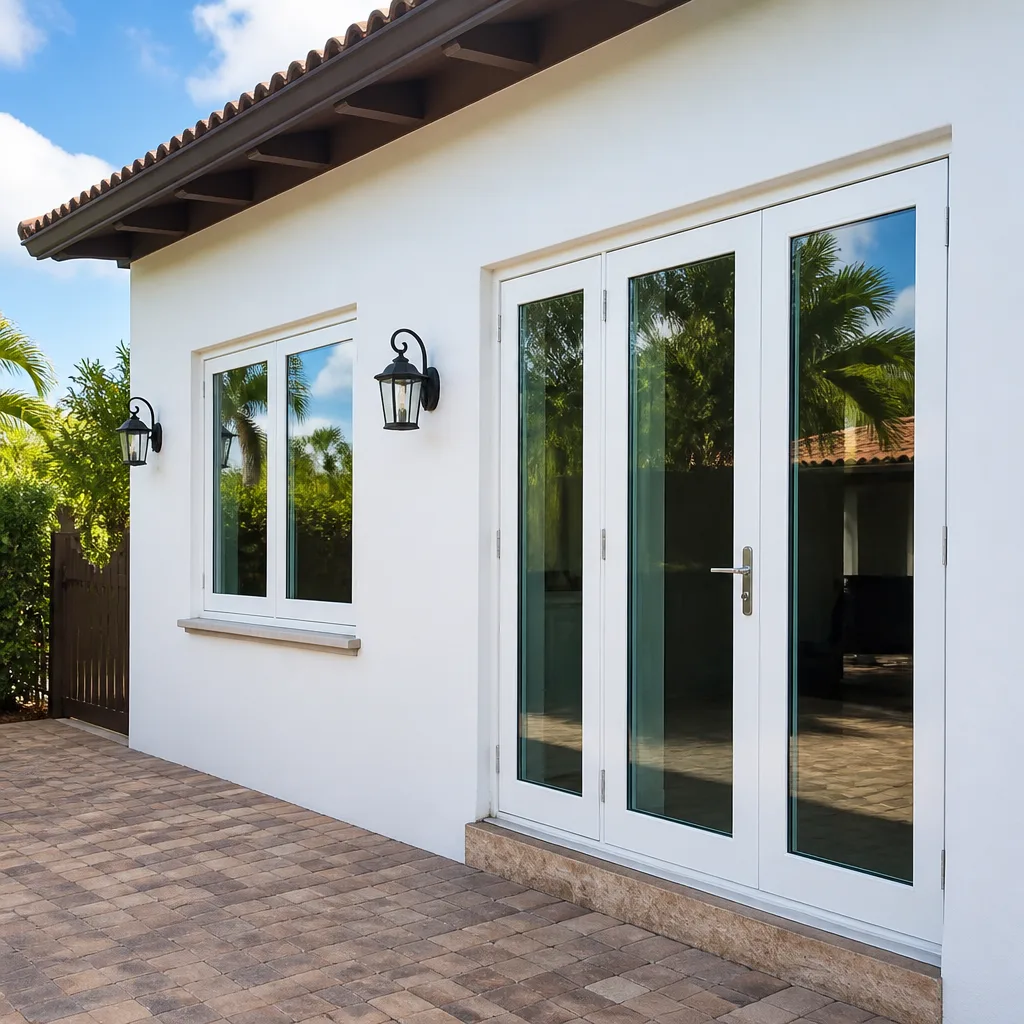 After
After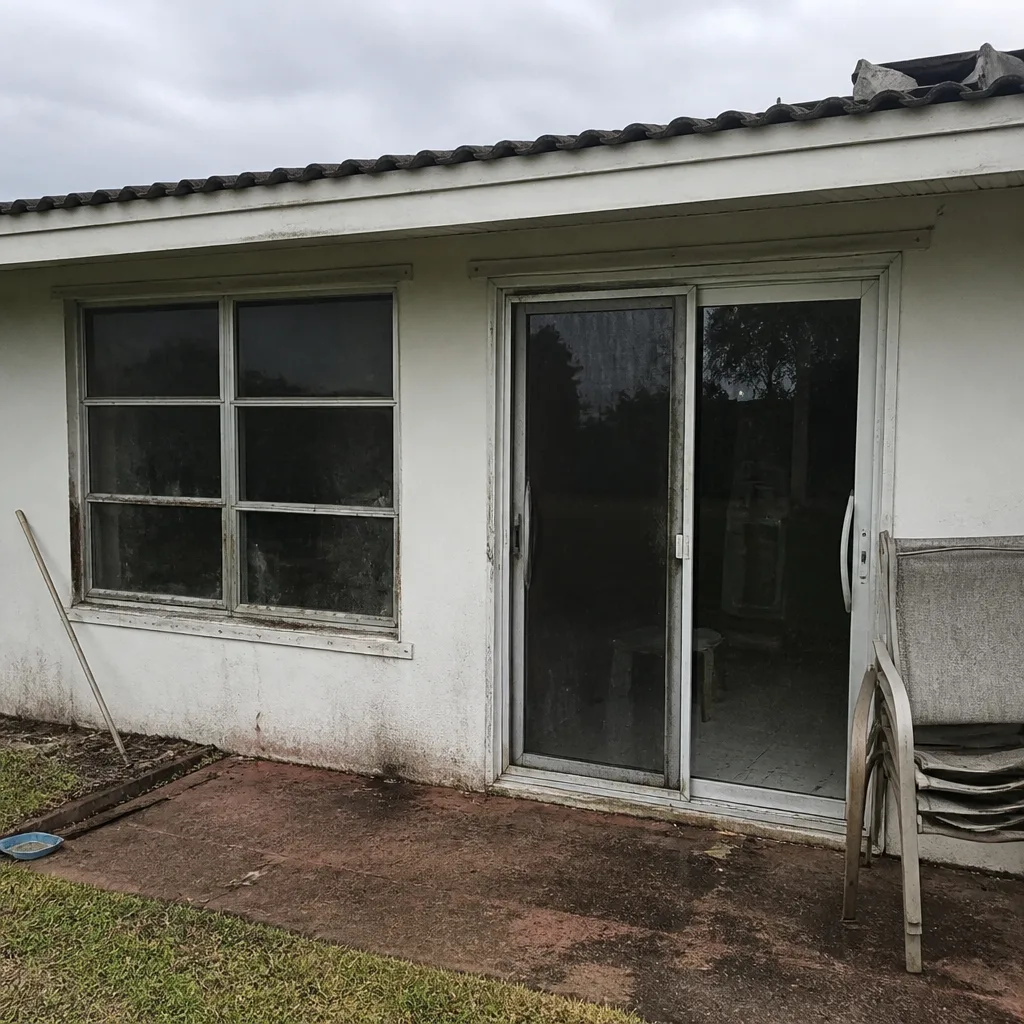 Before
 After
AfterCGI Roof Replacement & Installation in Homestead: What to Know First
CGI roof replacement and installation in Homestead typically runs between $14,000 and $28,000 for a full tear-off and new roof system on a standard single-family home, with most jobs completed in five to eight working days once materials arrive. We are an independent CGI service provider, not a manufacturer-authorized dealer, which means we quote the work honestly without a factory script behind us. This page is for Homestead homeowners who already own CGI products or are considering them, and want straight answers about how the work actually goes. If you have questions about your specific roof, call (448) 428-7290.
We are TruePane Windows & Doors, led by Dale Kessler, and we have been installing and replacing roofs in Homestead for long enough to know that the difference between a roof that lasts twenty years and one that fails in ten is rarely the shingle. It is what happens underneath it.
How CGI Products Fail - and How We Fix Them
CGI makes a solid product line, but every manufacturer has weak points, and Homestead’s climate finds them faster than most. Here is what we see on real roofs in this city:
- CGI Sentinel Series shingle delamination. The Sentinel architectural shingles carry a good wind rating, but we have pulled more than a few off Homestead roofs where the adhesive strip never fully bonded. The cause is usually installation in high humidity or dust from the old tear-off left on the underlayment. We strip to clean decking, check the bond on test tabs, and only then run the new course.
- CGI Ultra-Ridge cap shingle cracking. Ridge caps take the worst of South Florida sun from both sides. On the Ultra-Ridge line we see thermal cracking where the cap shingle folds over the ridge. The fix is a heavier cap designed for low-slope heat gain, plus a check that the ridge vent is not restricting airflow. A capped ridge that breathes lasts; one that cooks splits in three summers.
- CGI StormGuard underlayment failure at valleys. Valleys carry more water than any other part of a Homestead roof, and a torn or poorly lapped underlayment there shows up as ceiling stains in the dry season, not the wet one. We cut valley membrane in single continuous runs, not pieced sections, and we do not nail through the valley center where water runs deepest.
- CGI Flashing Kit leaks at vent pipes and chimneys. The factory flashing kits are fine when the penetration is square and the roof pitch is moderate. On older Homestead homes with settled framing or a roof pitch under 3:12, those same kits gap at the corners. We fabricate or order oversized flashing, set it in a full bed of sealant, and test with a hose before we call the roof dry.
- CGI Fastener back-out on barrel tile profiles. This one is specific to CGI’s tile-profile metal panels. The fasteners CGI specifies work, but over time thermal expansion on a Homestead roof that hits 140 degrees at the surface in August can back a fastener out a quarter turn. We use the next-size rubber-grommet washer on re-installation and torque to spec, not to feel.
Our CGI Roof Replacement & Installation Process
Every roof job follows the same sequence, whether it is a repair or a full replacement. Here is how it goes when you call TruePane:
- 1
Call and inspection. You call (448) 428-7290. A live person answers. We schedule a roof inspection, usually within a few days, and Dale or one of our lead techs walks the roof with a field notebook, not a tablet.
- 2
Written findings and a line-item quote. We put the condition, the material options, and the price on paper, side by side. CGI next to PGT next to what we would buy for our own house. You decide. No pressure.
- 3
Permit and material order. We pull the Homestead permit ourselves and order materials with lead time stated up front. If the product line is special order, you know the date before we start.
- 4
Tear-off and deck repair. Old roof comes off, decking is inspected, rotted sheets are replaced. We do not roof over rot, and we will show you photos of what was there before the underlayment goes down.
- 5
Installation and sealing. Underlayment, flashing, shingles or panels, ridge caps, all set to manufacturer spec and Florida Building Code. Fasteners counted, not eyeballed.
- 6
Water test, inspection, cleanup. We hose-test valleys and penetrations, meet the city inspector on site, and run a magnet over the yard for loose nails. We leave the property the way we found it, minus the old roof.
What CGI Roof Replacement & Installation Costs in Homestead
Pricing runs honest and specific. Here is what we see on Homestead roofs:
- Full tear-off and CGI Sentinel shingle replacement: $14,000-$20,000 for a 1,800-2,400 square foot home. The spread reflects decking condition, roof pitch, and how many penetrations need flashing work.
- CGI tile-profile metal roof installation: $22,000-$28,000 on the same footprint. More material cost, more labor to set and fasten correctly, but a 50-year life if the decking under it is sound.
- CGI underlayment replacement only: $4,000-$7,000. This happens when the roof covering is still serviceable but the membrane below is shot, usually from age or poor original installation.
- Valley and flashing repair on a CGI roof: $800-$2,500 depending on how many areas failed and whether the decking underneath is wet.
What moves the price is decking rot (you find it after tear-off, not before) and roof complexity. We quote line-item and we hold to it. Call (448) 428-7290 for a free estimate on your specific roof.
Why Homestead Homeowners Call TruePane Windows & Doors for CGI Work
Most of our Homestead customers have lived in their house twenty years or more. They remember the contractor who left them with a fogged window and a door that binds in July. They are not looking for the cheapest bid. They are looking for someone who will still answer the phone in five years if something goes wrong.
That is us. Dale Kessler grew up in Naranja, a few miles north of downtown Homestead, and spent enough summers boarding up windows before hurricane season to decide he would rather install ones that did not need it. The same thinking governs our roof work: the job is done when the fasteners are counted, the warranty is registered in writing, and the roof has been tested with water, not just with a glance from the driveway. We stand behind the work for 90 days with no paperwork fights, and we register every manufacturer warranty layer before our truck leaves your driveway. If you have a CGI roof and you are unsure what condition it is in, we are the ones to call. If the pane is not true, the job is not done, and the same rule applies to every shingle, panel, and flashing we set.
FAQs
No, as long as the repair follows CGI’s installation specifications and uses compatible materials. We are an independent CGI service provider, and we document every repair with photos and written notes so that if a warranty claim ever comes up, you have a paper trail. Call (448) 428-7290 and we will walk your roof before any work is quoted.
A full tear-off and replacement on a standard Homestead single-family home takes five to eight working days once materials are on site. Weather can stretch that, and a roof with heavy decking rot or complex valleys can add a day or two. We state the timeline in writing before we start.
If the roof is under 10 years old and the issue is localized, like a valley leak or a single flashing failure, repair usually makes sense. If the underlayment is failing in multiple areas or the shingles are delaminating across the roof, replacement is the honest answer. We will show you photos of what is under the surface and let you decide with the full picture.
Yes, we pull the Homestead permit ourselves and meet the city inspector on site. We do not ask you to handle paperwork or sign off on anything you have not seen. The permit is part of the job, not an add-on.
CGI products are generally available through regional suppliers with a lead time of one to three weeks depending on the line and the color. We quote lead time when we quote the job, and we do not start tear-off until the materials are physically on site. Nothing worse than a house with no roof waiting on a truck.
Written by Dale Kessler, Owner, TruePane Windows & Doors at TruePane Windows & Doors, serving Homestead and nearby areas.
Six Reasons Homeowners Choose TruePane Windows & Doors
Impact systems engineered to design pressures up to +/-100, matched to your wind zone - your openings hold when the storm arrives.
Low-E insulated impact glass from our manufacturer lines commonly cuts monthly cooling bills 20-30%.
Laminated impact glass shuts out up to 40% of outside noise - traffic, neighbors, weather.
Monitoring services run $30-90 a month. Laminated impact glass resists forced entry around the clock, with no subscription.
Florida homeowners average around 25% savings on the windstorm portion of their policy after protecting every opening - some homes qualify for more.
A full impact package upgrades curb appeal, buyer confidence and appraised value in one project.